


Clinical Cognitive Neuroscience Center
Research
Neuropsychopharmacology
Neuropsychopharmacology
Key question. How do psychiatric medications act on the brain, and can brain measures tell us in advance who will respond?
Approach. We examine the brain before and after pharmacological treatment in OCD and psychosis, and use long-term clinical records from Seoul National University Hospital to study how medications perform in real-world practice. We also take part in clinical trials of new medications for schizophrenia (see Clinical Trials).
Recent Findings
Prediction of Course and Treatment Response
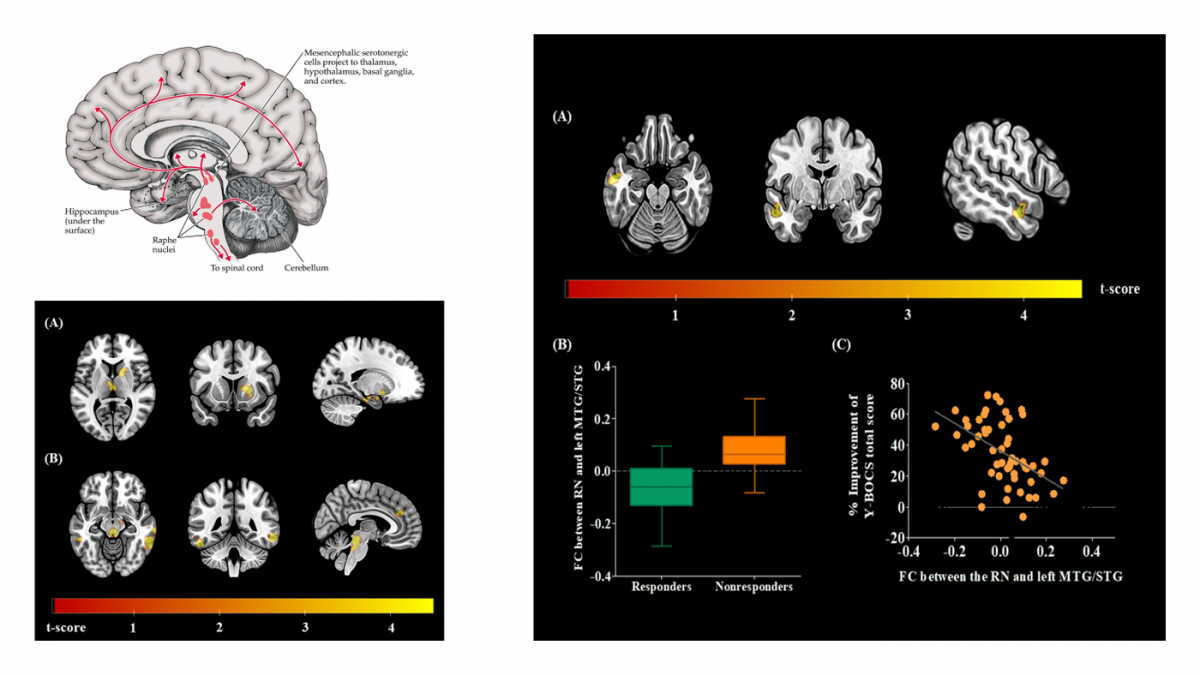
In OCD, stronger functional connectivity between the raphe nucleus and the left middle/superior temporal gyrus was linked to poorer response to selective serotonin reuptake inhibitors (Kim et al., Neuropsychopharmacology, 2019).
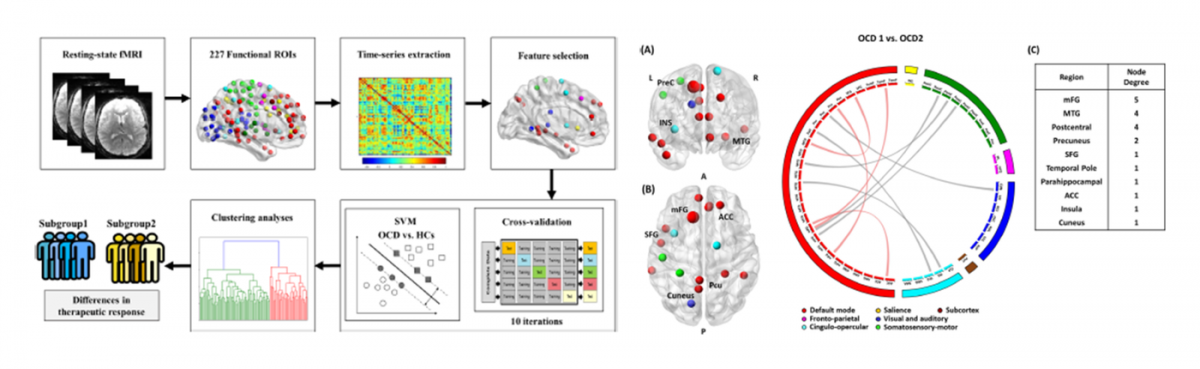
Data-driven subgroups of OCD defined by resting-state functional connectivity showed different responses to treatment (Kwak et al., Transl Psychiatry, 2020).
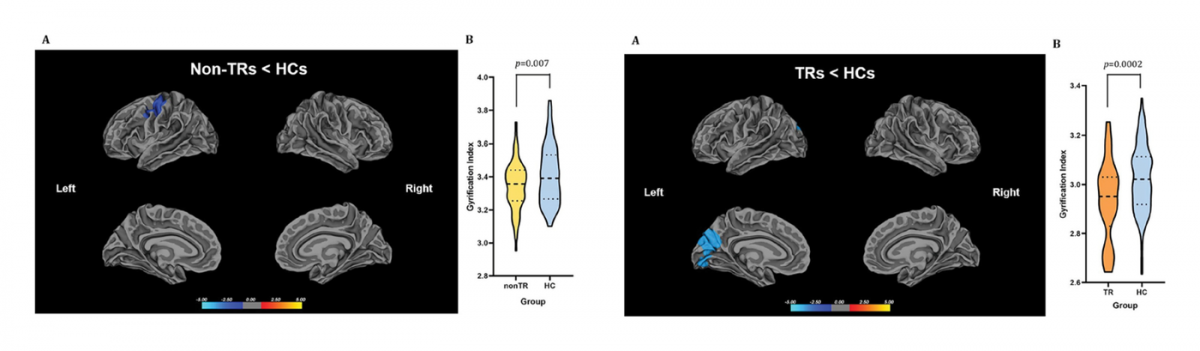
Patients with first-episode psychosis who later showed treatment resistance had reduced cortical gyrification compared with healthy controls, suggesting gyrification as an early marker of treatment resistance (Jang et al., Transl Psychiatry, 2025).
Treatment-Related Changes and Neuromodulation Targets
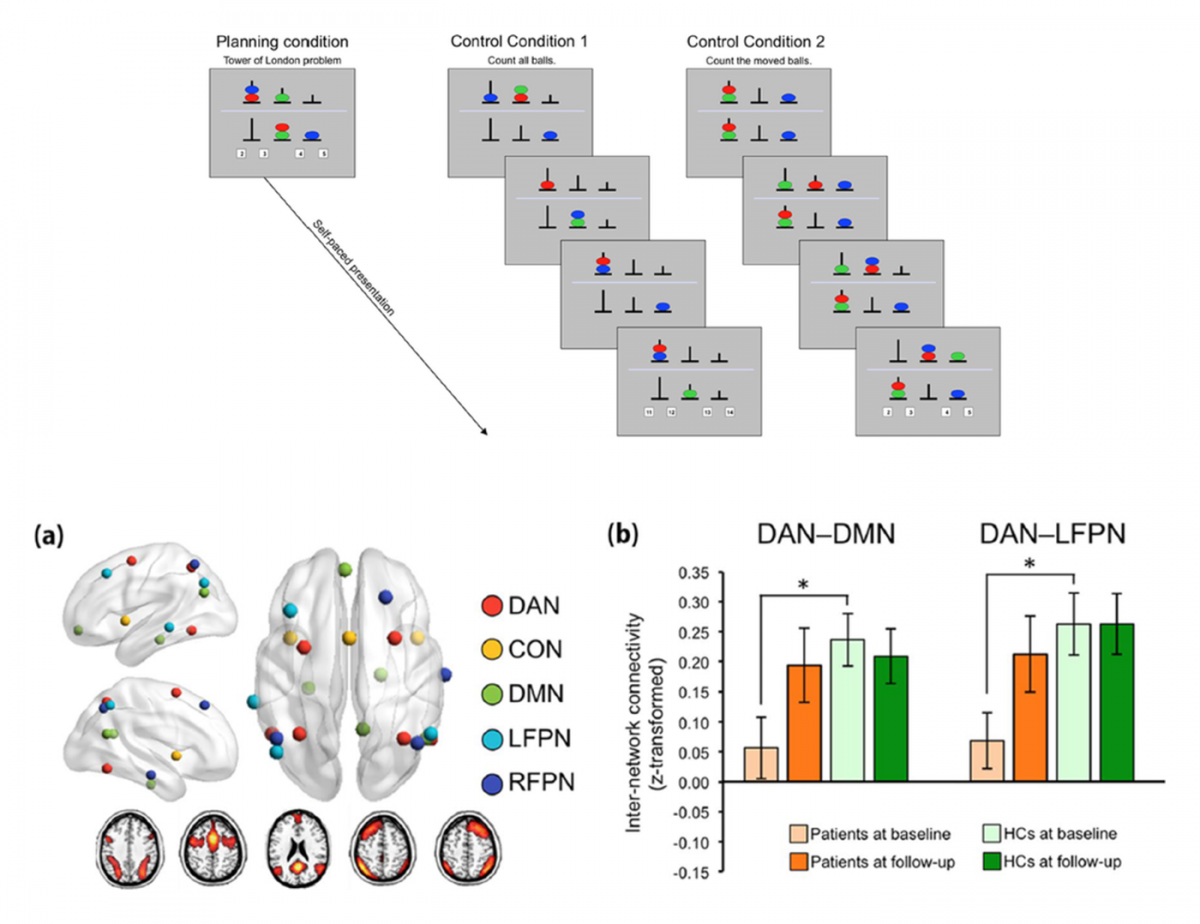
Treatment with selective serotonin reuptake inhibitors changed brain functional networks during goal-directed planning in patients with OCD (Kim, Jung et al., Sci Rep, 2020).
Real-World Pharmacotherapy
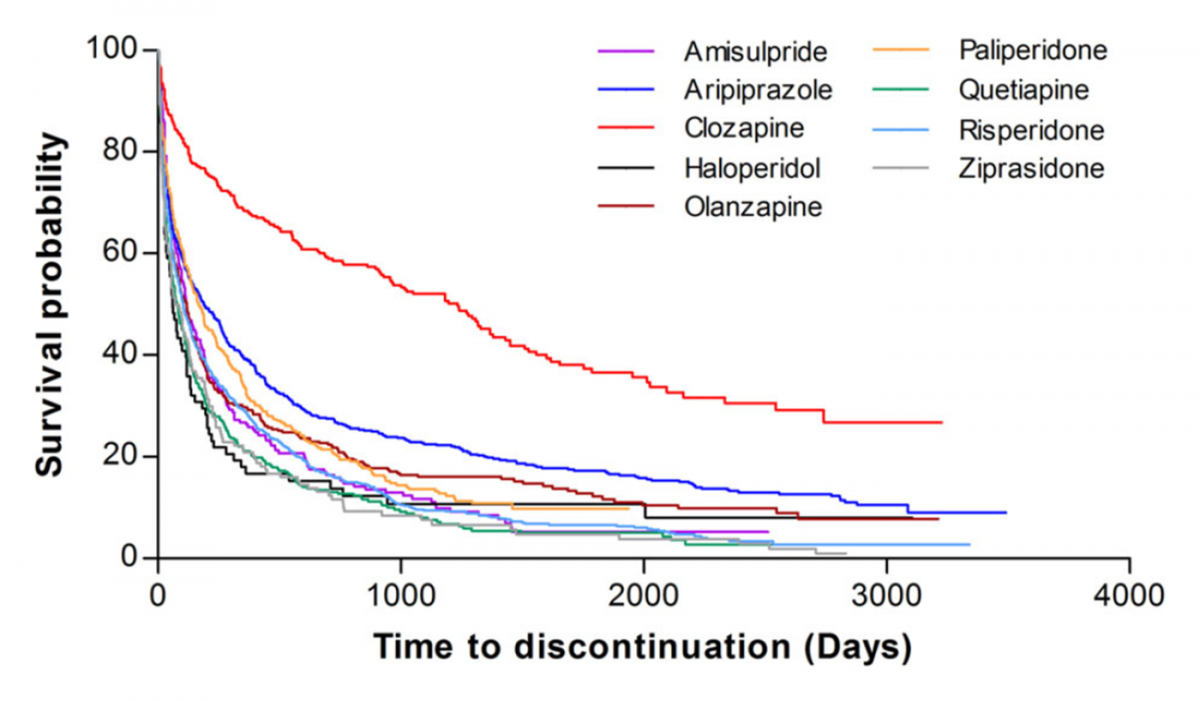
In a 10-year retrospective study of patients with schizophrenia, clozapine showed the longest time to discontinuation among antipsychotic drugs (Oh et al., npj Schizophr, 2020).
Foundational Work
In OCD, 16 weeks of pharmacological treatment improved functional brain network measures (Shin et al., Biol Psychiatry, 2014).