


Clinical Cognitive Neuroscience Center
Lab Members
PI
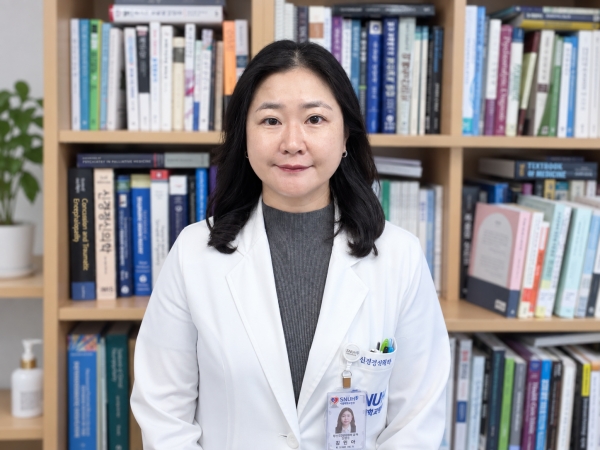
As a psychiatrist and clinical neuroscientist, I lead a group that studies the neural mechanisms of psychiatric disorders and human brain function, with a particular focus on schizophrenia, clinical high risk for psychosis, and obsessive-compulsive disorder.
Three questions drive our work. What changes in the brain give rise to psychiatric illness? Why do people with the same diagnosis follow such different courses? And how do treatments act on the brain, so that we can choose the right one for each patient? To answer them, we study both patients and healthy individuals, follow people over time, and examine the brain before and after treatment.
Research Interests
Psychosis, from high risk to established illness
We follow individuals at clinical high risk and with first-episode psychosis in the Seoul Youth Clinic cohort and study schizophrenia across its course, looking for markers of who becomes ill, who recovers, and who responds to treatment. We are a site of the international AMP SCZ (ProNET) and PSYSCAN studies and take part in the ENIGMA Schizophrenia and Clinical High Risk working groups.
Obsessive-compulsive disorder
We study OCD in a clinical cohort, focusing on the cortico-striato-thalamo-cortical (CSTC) circuit and how its structure and function relate to symptoms and treatment response. We take part in the ENIGMA OCD working group.
How treatments change the brain
We study how treatments change the brain, from medication and cognitive behavioral therapy to brain stimulation and neurosurgery. This includes electroconvulsive therapy in schizophrenia, rTMS and tDCS, and Gamma Knife surgery and deep brain stimulation for treatment-refractory OCD. Our goal is to understand why a treatment works for one patient and not another, and to tailor treatment accordingly.
Beyond the clinic
We also take up questions about the healthy brain when the opportunity arises. Past studies have examined the brains of professional Baduk (Go) players and the effects of a Templestay program.
Approaches: Structural, functional, and diffusion MRI · PET · EEG/ERP · Longitudinal clinical and cognitive assessment
Academic & Clinical Appointments
Associate Professor
- Department of Psychiatry, Seoul National University College of Medicine
- Department of Brain and Cognitive Sciences, Seoul National University College of Natural Sciences
- Department of Neuropsychiatry, Seoul National University Hospital
Education
- Ph.D., Psychiatry, Seoul National University College of Medicine, 2018
- M.D., Seoul National University College of Medicine, 2009
- B.S., Psychology, Seoul National University, 2005
By bridging clinical psychiatry and systems neuroscience, CCNC aims to translate advances in human neuroscience into improved prediction, stratification, and personalized treatment of psychiatric disorders.